


Market Update: Markets going in circles
AI froth coming off
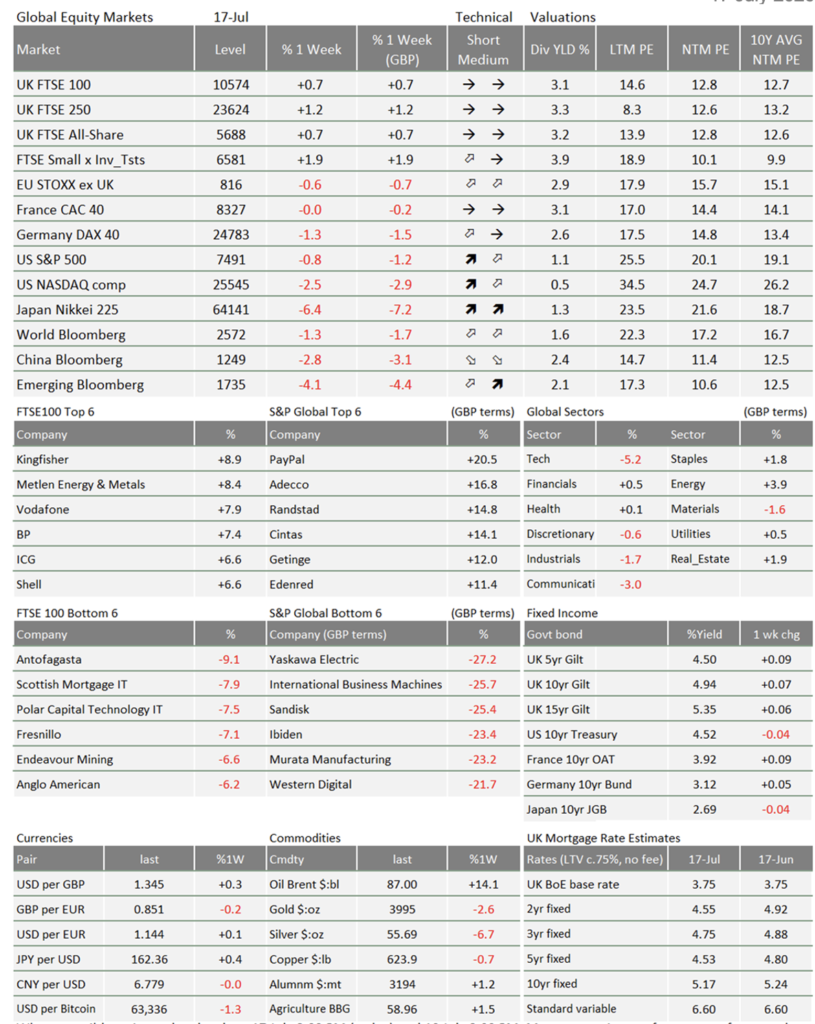
The summer lull has arrived early. Broad stock indices, bonds and even oil prices have bounced up and down over the last two weeks without any clear direction. The previous AI winners, particularly semiconductors (chips), are the exception: they have swung from strongly positive to strongly negative, despite there being no one specific negative catalyst for this sentiment shift. The themes are still as they have been for months: the war in Iran, US interest rates and AI growth potentially running out of steam. Investors still do not know what to make of them all. But pausing for breath is not a bad thing, at least.
Markets waiting on either of two TACOs
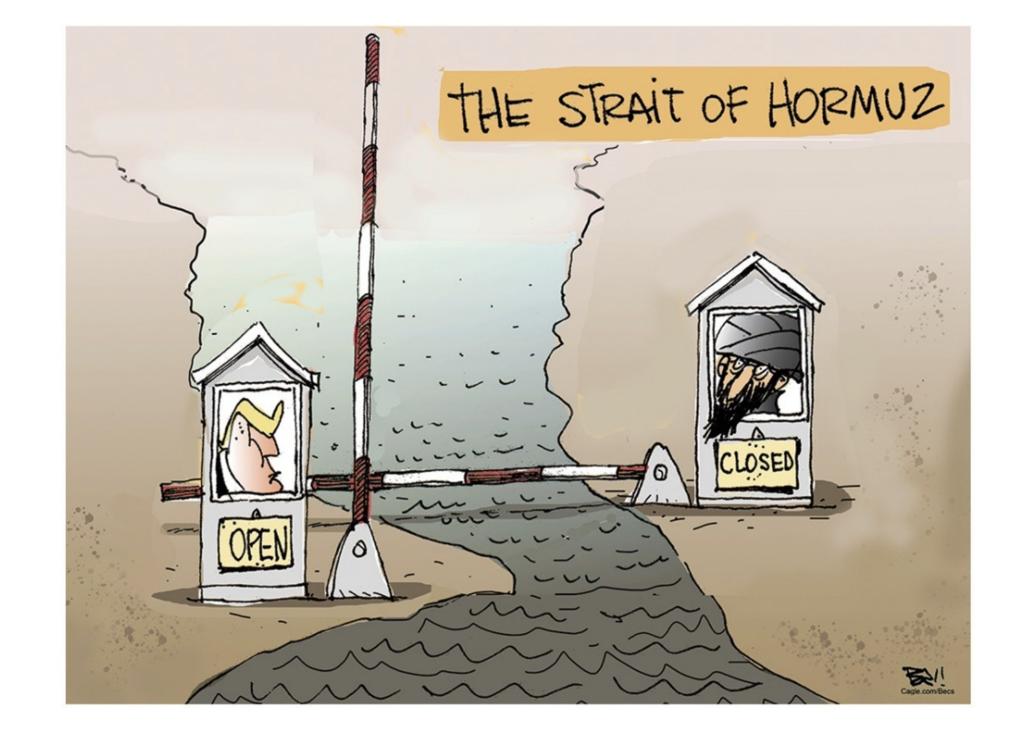
The US and Iran are exchanging missile strikes and the Strait of Hormuz is closed once again. Renewed conflict bumped up oil prices in the last update, but Brent crude rose only slightly lastweek, to a little over $86 per barrel at the time of writing. Compared to the steep fall after the ceasefire was announced, this latest rise looks little more than a blip.
Given the warnings about dwindling global oil reserves, oil traders’ nonchalance may appear reckless. Clearly, markets are not taking the latest flare-up as a serious threat to medium-term global fossil fuel supply. Both sides have significant incentives to reopen the oil floodgates and have already struck a deal once, so perhaps investors expect one or both sides to TACO (Trump or Tehran Always Chickens Out) imminently.
Thinking purely about those incentives, this makes sense. Higher fuel prices are incredibly unpopular heading into the US midterm elections, and the Iranian regime desperately needs the oil funds. Indeed, Tehran’s money troubles are a large part of why it insists on its Hormuz toll collection – the issue which sparked this latest escalation.
However, the war so far has more often resembled a ‘game of chicken’ than one of rational self-interest. Things could well turn out worse than markets are expecting, both in terms of how long the war lasts and – if it lasts into the winter – its effect on global inflation. The one comfort, at least, is that games of chicken tend not to last long.
Soft inflation helps, but for how long?
One of the reasons markets are relatively sanguine about the Middle East is that US inflation looks surprisingly tame. June’s timely report, released on Tuesday, showed year-on-year inflation at 3.5%, down from 4.2% previously and below the 3.8% consensus forecast. June’s oil price reprieve helped, but the more encouraging part was that core inflation, excluding volatile elements like energy, fell too. The inflation pullback was confirmed on Wednesday by news of a 0.3% drop in producer prices.
Softer inflation reports quashed any remaining chance that the Federal Reserve might raise interest rates later this month. That is despite Fed chair Kevin Warsh telling Congress later week that he has “no tolerance” for inflation.
That pushed US bond yields down sharply – with knock-on effects on global and particularly UK bonds. Lower yields make stocks more attractive by comparison, so bond moves pushed up equities too. Positivity in both stocks and bonds was short-lived, however, and prices (the inverse of yields) tailed off into the end of last week.
Perhaps investors realised they were being presumptuous. The inflation figures were from before the Iran war reignited and oil prices bumped higher. Markets clearly do not think the Strait of Hormuz will stay closed but, if it does, oil prices are still a substantial inflation risk. That is because the US economy remains strong, regardless of what the inflation numbers say. The Fed’s own “Beige Book” report on the US economy confirmed as much last week.
Market churn is AI generated
The back and forth on bonds is representative of markets more broadly. There are plenty of stories to push investors one way or the other for a while, but very little conviction. Dutch semiconductor supplier ASML saw a slight bump after its impressive earnings report, for example, but was eventually bogged down by the travails of the broader chip manufacturing industry.
In fairness, chip stocks have been one of the clearer directional trends in recent weeks – and that direction is down. That bled into sharp losses for Asian chipmakers on Thursday, including an 11.5% daily loss for one of the year’s best performers, SK Hynix. Taiwan’s AI chip giant TSMC suffered a similarly adverse reaction to its earnings results, which beat already lofty growth expectations by some margin.
It is hard to work out exactly what is hurting chipmakers so much. There were suggestions that TSMC’s impressive earnings were simply not impressive enough, with signs of higher capital spending and a slight revenue miss hidden under the headline number. There are also worries that New York State’s recent one-year ban on new datacentre building could be a worrying sign for the AI infrastructure push.
Overall, doubts about the sustainability of AI earnings growth are creeping back in. Investors displayed the same doubts last autumn, and it led to a healthy pause in the AI stock market trade. The more this happens, the less AI looks like a bubble. Bubbles come from investor exuberance, which is hard to argue when stock valuations are falling, rather than rising.
On the flipside, US banks are one of the few clear positives. Most of the big names reported very strong second quarter profits. The results themselves did not move their shares too much, but bank stocks have rallied from May in anticipation of strong earnings. These were not particularly surprising, given how busy last quarter was for both market trading (particularly energy futures) and large corporate deals. Rob Armstrong of the Financial Times also ties banks’ performance to AI-driven market movements, declaring that “Wall Street Banks are AI stocks now”.
If that is true, banks will not remain the darlings forever. The AI investment theme keeps broadening out and benefitting new sectors but, as chipmakers are finding out, its light can quickly pass. In the meantime, investors keep mulling the same old themes and working out what new can be done with them.
This week’s writers from Tatton Investment Management:
Lothar Mentel
Chief Investment Officer
Jim Kean
Chief Economist
Astrid Schilo
Chief Investment Strategist
Isaac Kean
Investment Writer
Important Information:
This material has been written by Tatton and is for information purposes only and must not be considered as financial advice. We always recommend that you seek financial advice before making any financial decisions. The value of your investments can go down as well as up and you may get back less than you originally invested.
Reproduced from the Tatton Weekly with the kind permission of our investment partners Tatton Investment Management
Who are Vizion Wealth?
 Our approach to financial planning is simple, our clients are our number one priority and we ensure all our advice, strategies and services are tailored to the specific individual to best meet their longer term financial goals and aspirations. We understand that everyone is unique. We understand that wealth means different things to different people and each client will require a different strategy to build wealth, use and enjoy it during their lifetimes and to protect it for family and loved ones in the future.
All of us at Vizion Wealth are committed to our client’s financial success and would like to have an opportunity to review your individual wealth goals. To find out more, get in touch with us – we very much look forward to hearing from you.
The information contained in this article is intended solely for information purposes only and does not constitute advice. While every attempt has been made to ensure that the information contained on this article has been obtained from reliable sources, Vizion Wealth is not responsible for any errors or omissions. In no event will Vizion Wealth be liable to the reader or anyone else for any decision made or action taken in reliance on the information provided in this article.
