


Market Update: Bond yields’ multi-facetted messaging
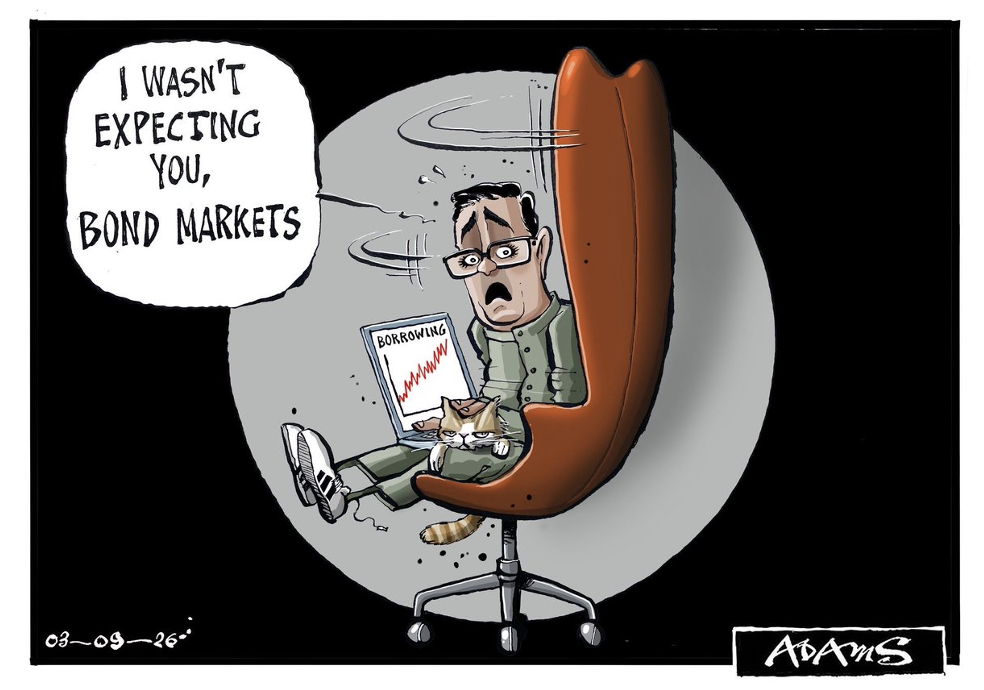
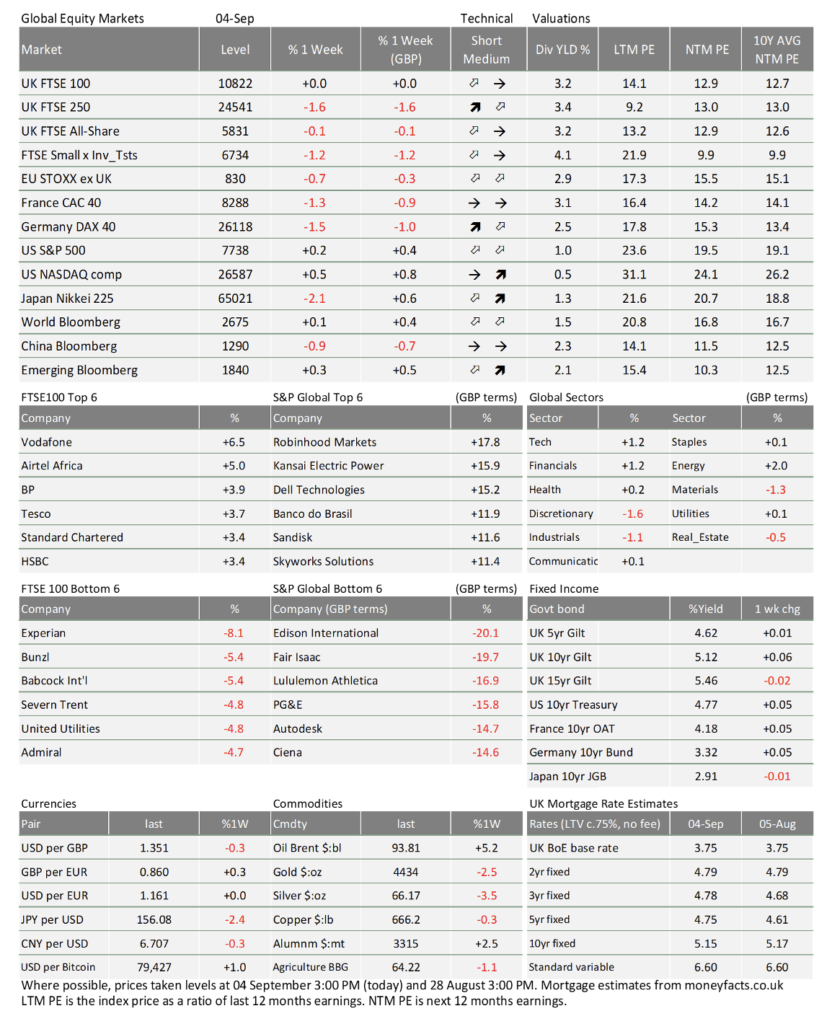
We ended last week with global stocks once again a little higher than they were the week before, but bond prices a step lower. Global government bond yields – the inverse of prices – have now been steadily rising for over two months. Higher yields make investors nervous, but those nerves have been largely absent from equity markets. When you throw oil price risks and likely interest rate rises into this mix, the relative calm in stock markets is remarkable.
Don’t mind the hawks
Through last week, markets digested the comments of the world’s most prominent central bankers from the previous weekend’s Economic Policy Symposium in Jackson Hole, Wyoming. Federal Reserve Chair Kevin Warsh’s speech was widely understood as hawkish (preferring higher interest rates), warning about persistent inflation – though he firmly reiterated his belief that the Fed has no business telling markets what its future policies will be.
Warsh was not the only hawk: The European Central Bank mirrored the Fed’s tone, while Bank of Japan policymakers have made similar comments. Markets now expect all three central banks to raise rates at their next meetings – a sharp change from the outlook a few weeks ago.
The one dovish exception is Bank of England (BoE) Governor Andrew Bailey, who claims to see only “subdued second-round effects” from the US-Iran war on UK inflation. Markets still moved to price in a BoE hike before the end of the year, most likely after the Fed.
The relevant point here is that central banks want to raise rates even though many onlookers think that would hurt their economies. Central bankers’ resolve could be a credibility issue. Throughout the Strait of Hormuz crisis, they have managed inflation expectations through words rather than actions. But the war has dragged on for over six months with little sign of resolution – so now they need to back up that tough talk with action, even if that damages growth.
If central banks are knowingly curtailing growth, why are equity markets still so calm? Perhaps it is because they see rate hikes as a ‘one and done’ situation, rather than the usual multiple hike cycle. Perhaps investors realise that even higher interest rates in recent years have not disturbed the key profit motor for global equities: AI spending. Or, perhaps markets are just content because they expect a repeat of the last time US 10-year treasury bonds crossed the 5% threshold, which very quickly mobilised swathes of investors keen on locking-in that rate for 10 years.
High yields strain governments
Stock markets might not be overly worried about bond yields against the strong growth backdrop, but governments certainly are. US Treasury Secretary Scott Bessent’s plan to buy back the Treasury’s own long-term debt, financed by short-term lending, was a clear recognition that long-term yields are uncomfortably high. The plan also had an air of desperation, and any relief for 30-year US treasury yields was quickly undone last week.
In the UK, debt sustainability fears are at the fore once more, after Andy Burnham’s comments on spending made UK government bond (gilt) investors nervous. There is not much we can say about Britain’s fiscal outlook right now; the new Prime Minister claims he wants to maintain fiscal discipline, but is remaining tight-lipped ahead of the autumn budget. In any case, gilts are so sensitive to bond market gyrations that he has very little room to manoeuvre.
Now to discuss the ‘doom loop’ risk for government finances: yield rises make the outstanding debt pile ever more painful to service, forcing governments to borrow more and subsequently causing further yield rises. The UK is not in that loop right now – but our structurally weak gilt market shows how that might play out. The rise in yields has already reportedly taken £14bn out of Burnham’s fiscal headroom. Government finances are deteriorating not directly through policy changes, but through global bond moves themselves.
This is not just a UK problem, but structural imbalances in the gilt market (too many long-term and inflation-linked bonds) mean gilts are more sensitive than others. That sensitivity can also work in reverse: if Middle East tensions calm and oil prices drop, that would automatically give Downing Street more headroom.
A mixed macro bag
Investors have come back from their summer holidays to be greeted by the anxieties of bonds, oil and interest rates. In August, these concerns were alleviated by stellar corporate earnings growth. Now, though, almost all of the major global companies have reported their earnings for the second quarter.
The positive news that contained investors’ worries over the summer is no longer flowing. However, the fact we are not getting those strong earnings reports does not change the underlying picture. Corporate profits are unequivocally strong, and judging by the latest business sentiment surveys, that strength should continue.
Geopolitics are a threat to the outlook, of course. The US and Iran have resumed strikes, President Trump “couldn’t care less” if Tehran signs a peace deal, and Brent Crude oil is steadily creeping back up to $100 per barrel. Not only that, but Russia is looking increasingly desperate in its war on Ukraine, as shown by the attempted drone attack in Leipzig.
Higher energy prices are inflationary, and we now see evidence of this coming through in food prices too. Central bankers are so worried about this that they seem willing to compress their economies. You might even think that Warsh’s hawkishness is a way of showing the White House the economic consequences of its ongoing war.
Resilient corporate profits do not cover up all those risks – but neither do the risks cover up resilient corporate profits. For now, investors are taking the good with the bad. It is a rocky path up, but markets are not out of breath yet.
This week’s writers from Tatton Investment Management:
Lothar Mentel
Chief Investment Officer
Jim Kean
Chief Economist
Astrid Schilo
Chief Investment Strategist
Isaac Kean
Investment Writer
Important Information:
This material has been written by Tatton and is for information purposes only and must not be considered as financial advice. We always recommend that you seek financial advice before making any financial decisions. The value of your investments can go down as well as up and you may get back less than you originally invested.
Reproduced from the Tatton Weekly with the kind permission of our investment partners Tatton Investment Management
Who are Vizion Wealth?
 Our approach to financial planning is simple, our clients are our number one priority and we ensure all our advice, strategies and services are tailored to the specific individual to best meet their longer term financial goals and aspirations. We understand that everyone is unique. We understand that wealth means different things to different people and each client will require a different strategy to build wealth, use and enjoy it during their lifetimes and to protect it for family and loved ones in the future.
All of us at Vizion Wealth are committed to our client’s financial success and would like to have an opportunity to review your individual wealth goals. To find out more, get in touch with us – we very much look forward to hearing from you.
The information contained in this article is intended solely for information purposes only and does not constitute advice. While every attempt has been made to ensure that the information contained on this article has been obtained from reliable sources, Vizion Wealth is not responsible for any errors or omissions. In no event will Vizion Wealth be liable to the reader or anyone else for any decision made or action taken in reliance on the information provided in this article.
